Sikkim Travel Guide: Permits, Where to Go, How to Reach
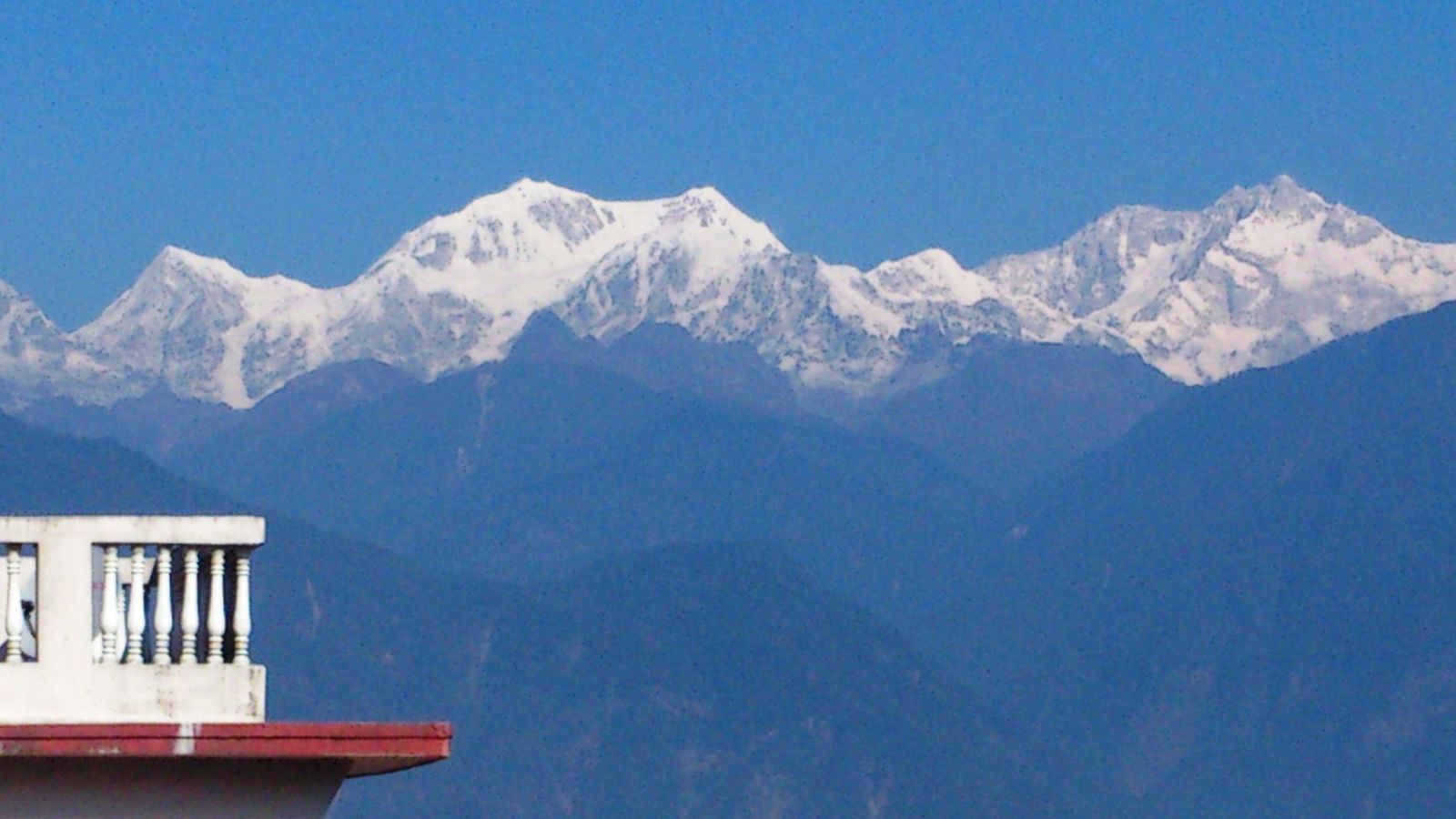
Photo: Nitin Ticku, CC BY-SA 3.0 (cropped), via Wikimedia Commons

Sikkim is a small Himalayan state between Nepal, Tibet and Bhutan, climbing from the warm Teesta valley to the snows of Kangchenjunga, the world's third-highest mountain. It is a land of Buddhist monasteries, Lepcha and Bhutia villages, terraced fields and high lakes. Indian visitors need no permit for Gangtok and the towns of the south and west, but the lakes and passes near the border need one. Permits shape almost every plan here.
Every road here ends at a view of Kangchenjunga, or at a checkpost.
Where to go
- Gangtok: the capital on its ridge, with the walking street of MG Marg, Enchey Monastery and the Namgyal Institute of Tibetology. Rumtek Monastery is across the valley.
- Tsomgo Lake and Nathu La: a high lake east of Gangtok, and above it the border pass with Tibet. Both need a permit, and Nathu La is open to Indian nationals only.
- Lachung and Yumthang: a valley in the north that fills with rhododendrons in spring, visited on a permit tour of at least two nights.
- Lachen and Gurudongmar Lake: a high lake near the Tibet border, reopened to tourists in September 2026 after long closures for landslides.
- Pelling: Kangchenjunga at sunrise, Pemayangtse Monastery and the ruins of Rabdentse, an old royal capital.
- Yuksom: the first capital of Sikkim, and the start of the trek to Dzongri and towards Goecha La.
- Ravangla: a ridge town with the large Buddha statue of Buddha Park and views across to the high peaks.
- Namchi: the giant statue of Guru Padmasambhava at Samdruptse and the Char Dham pilgrimage complex.
- Zuluk: the Old Silk Route road in the east, known for its hairpin bends; a permit area.
- Dzongu: the Lepcha reserve in the north, with village homestays; a permit area.
Main cities
Gangtok is the capital and the base for most trips, including the permit tours to Tsomgo, Nathu La and North Sikkim. Since 2021 Sikkim has six districts, each named after its headquarters town; more in Sikkim's six districts, under Kangchenjunga.
- Gangtok: monasteries, viewpoints, MG Marg and the permit offices and tour operators.
- Namchi: Samdruptse, Char Dham and the Temi Tea Garden nearby.
- Gyalshing and Pelling: the western headquarters and its neighbouring viewpoint town, for Pemayangtse and Kangchenjunga views.
- Mangan: the northern headquarters, the gateway to Dzongu, Lachung and Lachen.
- Pakyong: an eastern headquarters with the state's airport, which has no scheduled flights at present.
- Soreng: the newest district, in quiet farming country in the west.
- Ravangla: Buddha Park and the Ralang monastery nearby.
- Jorethang and Rangpo: river towns on the West Bengal border, where most road travellers enter.
Sikkim is usually reached through West Bengal: Darjeeling and Kalimpong pair well with it, see West Bengal.
Festivals
- Losar, February or March: the Tibetan new year, with prayers and feasting in monasteries and homes.
- Saga Dawa, May or June: the full moon of the Buddha's birth, enlightenment and passing, with a procession through Gangtok.
- Pang Lhabsol, August or September: masked dances honouring Kangchenjunga as the guardian deity of Sikkim.
- Dasain, usually October: the main festival of Sikkim's Nepali Hindu community.
- Losoong, December: the Bhutia and Lepcha end-of-harvest festival, with cham dances and archery contests.
Food to try
- Momo: steamed dumplings with meat or vegetables, served with a fiery tomato chutney.
- Thukpa: noodle soup, a warm meal on cold evenings.
- Phagshapa: strips of pork fat stewed with radish and dried chilli.
- Gundruk: fermented leafy greens, cooked into a sour soup.
- Sel roti: a sweet, ring-shaped bread of rice batter, made for festivals.
- Chhurpi: cheese of yak or cow milk, soft in curries or hard and dried to chew.
Stories from Sikkim
- Sikkim by District: Gangtok, Pelling, North Sikkim and Permits
- Towns in Sikkim: Gangtok, Namchi, Pelling, Mangan and More
Plan your visit
| Best season | March to May for rhododendrons and spring weather, and October to mid-December for the clearest views of Kangchenjunga. June to September is the monsoon: landslides often close NH10 and the roads to the north. |
|---|---|
| How to reach | Fly to Bagdogra Airport near Siliguri in West Bengal, or take a train to New Jalpaiguri (NJP), then drive up the Teesta valley on NH10 to Gangtok. Pakyong Airport in Sikkim has no scheduled flights at present. The Sevoke-Rangpo railway line is under construction and is targeted for December 2027. |
| Getting around | Shared and reserved taxis from Siliguri and NJP to Gangtok and the other towns. Trips to Tsomgo, Nathu La, Zuluk and North Sikkim run only in permitted vehicles booked through government-registered Sikkim tour operators. |
| Where to stay | Gangtok (around MG Marg, Development Area, Tadong); Pelling and Yuksom in the west; Ravangla and Namchi in the south; Lachung and Lachen only as part of a North Sikkim permit tour. |
| How long to spend | Seven to nine days for Gangtok, Tsomgo, North Sikkim and Pelling. Add four or five days for the Dzongri trek from Yuksom. |
| Permits | Indian nationals: no permit for Gangtok, Pelling, Namchi, Ravangla or Yuksom. A Protected Area Permit is needed for Tsomgo Lake, Baba Mandir and Nathu La, Zuluk, Dzongu, North Sikkim (Lachung, Yumthang, Lachen, Gurudongmar) and the Kangchenjunga treks. It is applied for one day ahead through a registered Sikkim tour operator; carry a passport, voter ID or driving licence, as Aadhaar is not accepted. Nathu La is for Indian nationals only and closed on Mondays. Foreign nationals (OCI cardholders included): a free Restricted Area Permit, applied for online on the e-FRRO portal after arriving in India, valid 30 days; further permits for Tsomgo (day visit only) and Lachung, Yumthang or Lachen up to Thangu (groups of two or more, through a registered operator). Rules changed during 2026: check before you go. |
Questions people ask
Do Indians need a permit to visit Sikkim?
Not for Gangtok, Pelling, Namchi, Ravangla or Yuksom. You do need a Protected Area Permit for Tsomgo Lake, Nathu La, Zuluk, Dzongu, North Sikkim and the high treks; a registered Sikkim tour operator applies for it a day before you travel.
Can foreigners visit Sikkim and Nathu La?
Foreigners can visit Sikkim with a free Restricted Area Permit, which since January 2026 is issued only online through the e-FRRO portal. Nathu La is closed to foreign nationals, including OCI cardholders; Tsomgo Lake and Yumthang are allowed with an extra permit.
What is the best time to visit Sikkim?
March to May and October to mid-December. Spring brings rhododendrons; autumn and early winter bring the clearest mountain views. Avoid the monsoon months if you plan to go north.
Is North Sikkim open, and is it safe in the monsoon?
Lachung and Yumthang were open in October 2026, and Lachen and Gurudongmar reopened in September 2026 after long closures. In the monsoon, landslides close these roads at short notice and permits stop. Confirm the road status with your operator on the day.
How many days do I need for Sikkim?
Seven to nine days covers Gangtok, Tsomgo Lake, a two-night trip to Lachung and Yumthang, and Pelling. Add more for Lachen and Gurudongmar or a trek from Yuksom.
Written by Muthu, editor of Aura of India. Sources: Government of Sikkim, Tourism and Civil Aviation Department: General info and permits, Sikkim Tourism: Restricted Area Permit, Lok Sabha Unstarred Question 898 (23 July 2026): Operational status of Pakyong Airport, Gyalshing District, Government of Sikkim: Festivals. Last verified: 13 October 2026.
Your turn: Did you make it to Gurudongmar or Yumthang? Which month did you go, and was the road open?
Comments
Post a Comment
Comments are always welcome, that will help us to motivate ourselves and improve our services. Thanks!!