Lucknow’s Chowk After Dark: Kebabs and Old Lanes
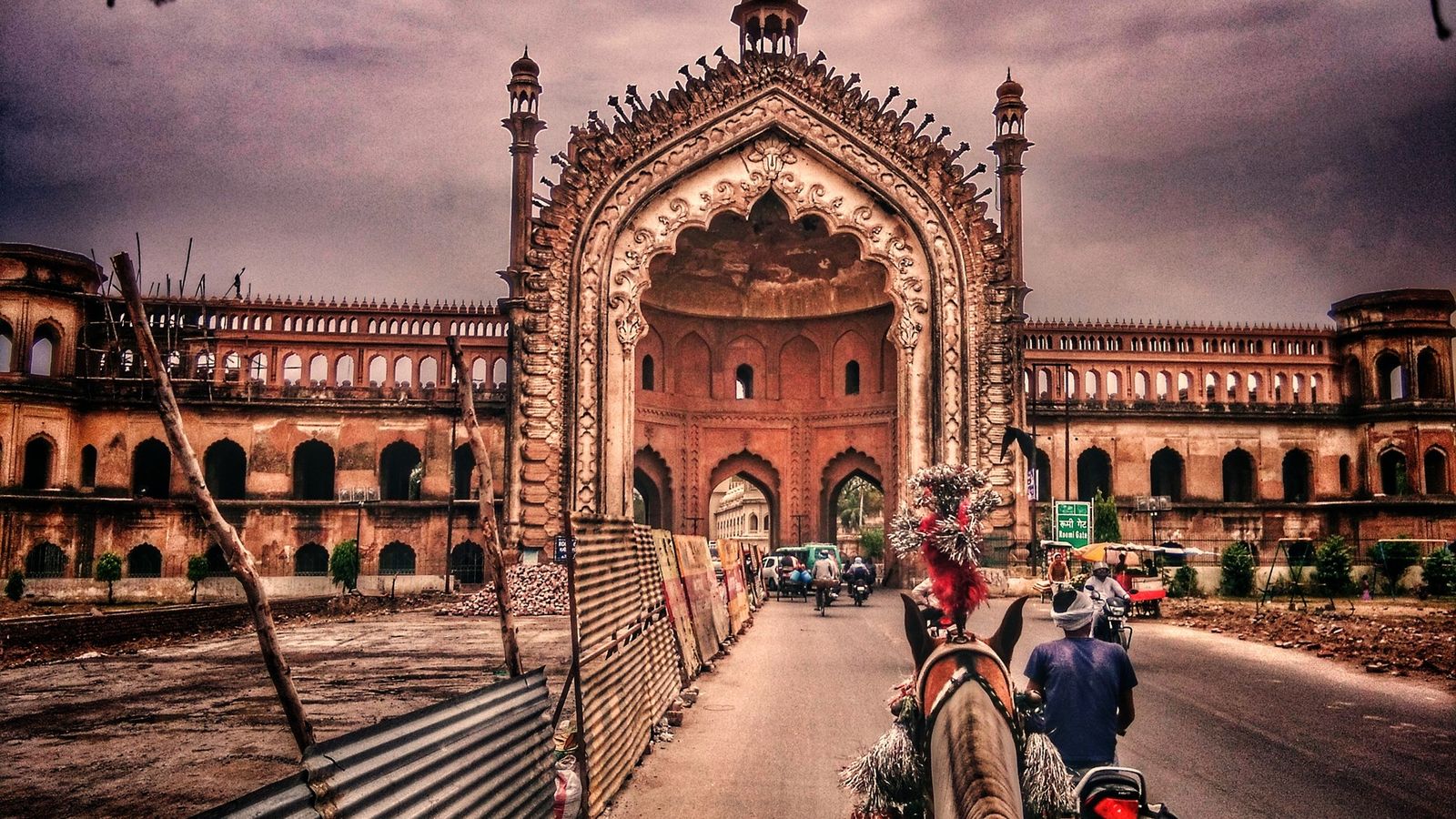
Photo: Swapnil singh, CC BY-SA 4.0 (cropped), via Wikimedia Commons

Chowk, in the old city of Lucknow, after the shops thin and the kebab smoke rises.
Lucknow’s old lanes do not empty at dusk. They change shift: cloth and silver give way to coal, skewer and slow fire.
What the lanes look like after dark
Chowk is a web of narrow streets west of the Gomti, near the great imambaras. By day the lanes hold chikankari shops, silver work and everyday trade. After sunset the light drops to bulbs and lanterns. Smoke from charcoal grills hangs low. Men stand at counters for galawati kebabs, soft minced-meat patties on a warqi paratha, and for seekh pulled from the fire. Sweet shops still sell kulfi and sheermal. The Rumi Darwaza and the outer walls of the Bara Imambara sit at the edge of this walk; their stone holds the last of the evening light even when the ticket gates have closed.
How an evening walk works
Visit the imambaras in daylight. The composite pass for the Bara Imambara, Bhool Bhulaiya, baoli and related sights is a daytime ticket; counters shut by late afternoon, so do not plan inner halls after dark. After five, walk the exteriors, then enter Chowk on foot. Keep valuables close. Eat standing or at a simple table. Order one plate at a time so the meat stays hot. Vegetarian stalls and sweet counters sit in the same lanes if you want a break from the grill. Autos wait on the wider roads; the inner alleys are for walking.
Why people come for this night
Nawabi Lucknow built its reputation on etiquette, poetry and a careful kitchen. The imambaras of Asaf-ud-Daula and later nawabs still anchor the old city’s faith and memory. The food that followed the court—slow kebabs, rich gravies, roomali and sheermal—moved into these lanes and stayed. Travellers who only see the monuments by day miss the second half of the story: how the same streets feed the city when the offices close. This is not a full Uttar Pradesh tour. It is one evening in one quarter.
Getting to Chowk
Chaudhary Charan Singh International Airport and Lucknow’s main stations (Charbagh and others) link to the old city by taxi or auto in under an hour in light traffic. Ask for Chowk, Hussainabad or the Bara Imambara gate. Wear flat shoes. Winter evenings from November to February are the most comfortable; summer nights stay warm but walkable after nine. Keep the return ride planned; late autos are available on the main roads.
Daylight for the halls, dark for the grills
Buy the imambara pass in the morning or early afternoon. Official portals list opening from about 6 am with counters closing by late afternoon; there is no night entry to the inner halls. Use dusk for the Rumi Darwaza and outer walls, then walk into Chowk for kebabs.
For the rest of Uttar Pradesh, see the Uttar Pradesh guide. This story is one old-city evening.
Eating without the rush crushing you
Follow the longest local queue rather than the loudest tout. Order one plate, step aside, then decide on a second. Galawati is soft and rich; seekh is clearer smoke and spice. Balance the meat with sheermal or a kulfi if you want a sweeter close.
Keep to lit lanes where other walkers are. Agree auto fares before you leave the main road.
On the evening map
- Bara Imambara exterior: walk the courts before or at dusk; inner visit needs a day ticket.
- Rumi Darwaza: the great gateway lit for photographs after sunset.
- Chowk kebabs: galawati and seekh from busy stalls; follow the local queue.
- Sheermal and kulfi: soft saffron bread and frozen milk sweets nearby.
- Chikankari windows: some shops stay open into the evening if you still want cloth.
- Safety: stick to lit lanes with other walkers; agree fares before long auto rides.
By ten the grill smoke is thicker than the fog, and the imambara walls are only a pale shape at the end of the lane.
Plan your visit
| Best season | November to February for cool evening walks; summer nights are warm but possible after nine. |
|---|---|
| Imambara hours | About 6 am to 5 pm (some portals say to 6 pm); ticket counters close earlier. No night tour of the inner halls. |
| Imambara entry | Composite/day passes commonly about ₹50 for Indian adults and ₹500 for foreign visitors as listed on official portals—confirm as of October 2026. |
| Chowk food hours | Grills and sweet shops run into the late evening; peak after sunset. |
| How to reach | Airport: Chaudhary Charan Singh International. Rail: Lucknow Charbagh and other city stations. Auto or taxi to Chowk / Hussainabad. |
| Where to stay | Hazratganj for comfort and cabs; near Charbagh for trains; old-city guesthouses if you want to walk to Chowk. |
| How long to spend | Two to three hours for an evening food walk; add two to three hours earlier for the imambaras. |
Open Chowk, Hussainabad, Lucknow, Uttar Pradesh in Google Maps
Questions people ask
Can you visit Bara Imambara at night?
No. The halls are a daytime ticketed visit. After dark you can walk the outer area and nearby gateways, then eat in Chowk.
What should you eat in Chowk after dark?
Galawati kebabs with paratha, seekh kebabs, sheermal and kulfi are the usual evening orders. Follow busy local stalls.
Is Chowk safe to walk in the evening?
Stick to lit lanes with other people, keep valuables close, and use autos on the wider roads for the return.
How do you combine monuments and food in one day?
Do the imambaras before mid-afternoon, rest, then return for dusk exteriors and a Chowk dinner.
Read next
Written by Muthu, editor of Aura of India. Sources: Bada & Chhota Imambara official portal: plan your visit, District Lucknow: Asafi Imambada, Uttar Pradesh Tourism. Last verified: 22 October 2026.
Your turn: Which Chowk stall fed you after dark, and did you see the imambaras the same afternoon?
Comments
Post a Comment
Comments are always welcome, that will help us to motivate ourselves and improve our services. Thanks!!