Ludhiana: Cycles, Hosiery and a Workaday City Day
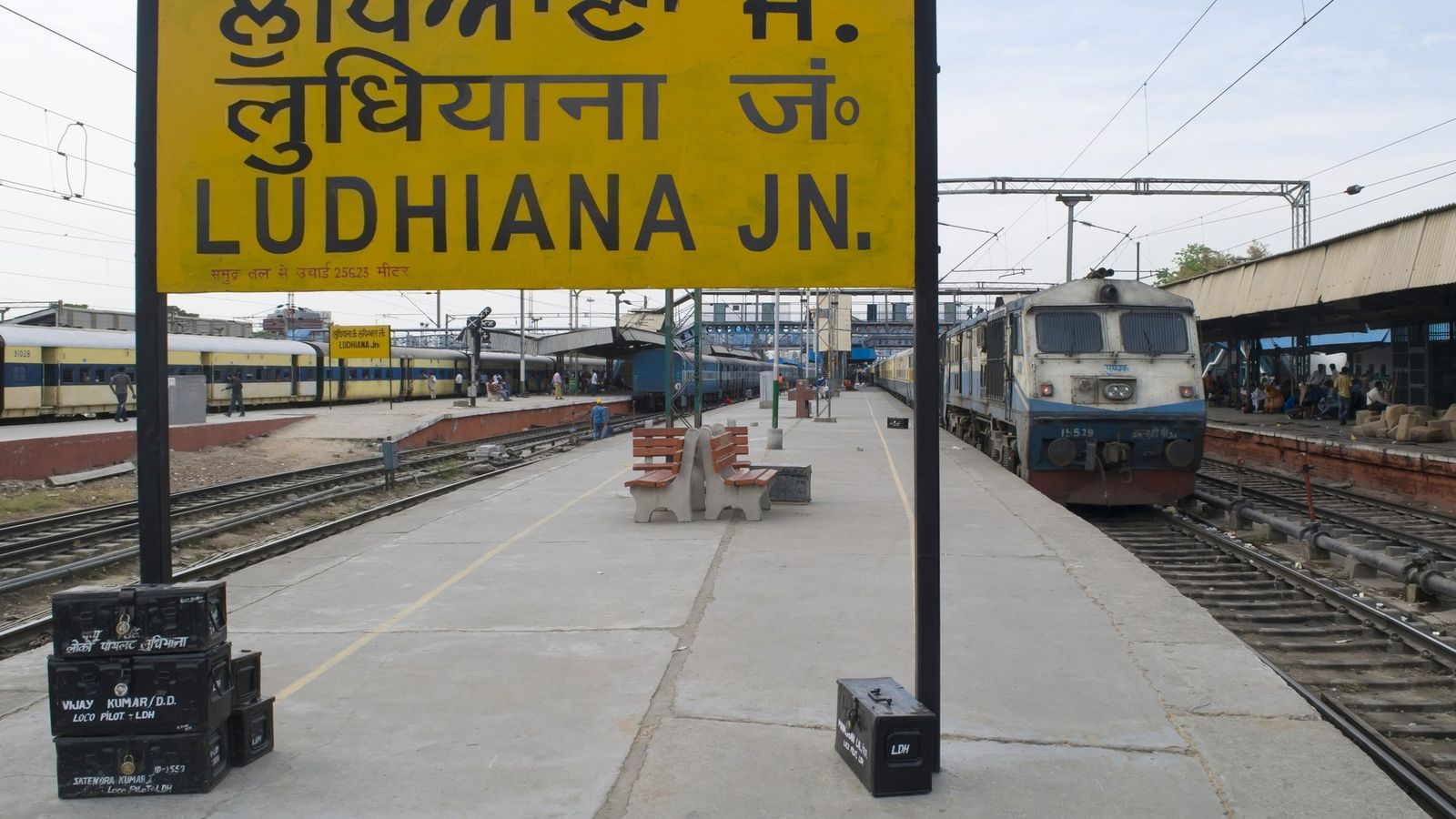
Photo: Nikhilb239, CC BY-SA 4.0 (cropped), via Wikimedia Commons

A commercial street in Ludhiana, Punjab, on a clear winter morning when the factories are already awake.
Ludhiana is not the city of the Golden Temple postcard. It is the city that stitches, turns and ships what the rest of India wears and rides.
What a workday street shows
Ludhiana sits on the Sutlej side of the Malwa plain, Punjab’s most populous industrial city. By eight the main roads carry trucks, cycles and shop vans. Chaura Bazaar and the lanes around Ghanta Ghar fill with cloth, ready-made knitwear, tools and household goods. Showrooms for hosiery hang winter pull-overs and cotton basics in the same window. Side streets lead to small workshops where the sound of machines leaks through open doors. This is not a polished heritage walk. It is a working city seen at street level.
How people use the day
Buyers from other states come for wholesale knitwear and cycle parts. Locals shop the same bazaars for daily needs. Punjab Agricultural University lies on the edge of town; students and visitors mix with traders at tea stalls. Midday is for a thali or a plate of chole and kulcha. Afternoons suit the Maharaja Ranjit Singh War Museum or a quiet hour in Nehru Rose Garden if the bazaar noise is enough. Evenings bring heavier traffic on the GT Road corridors. Dress for dust and practical walking. Bargaining is normal in the older markets; fixed prices are more common in large showrooms.
Why cycles and hosiery built the place
Punjab’s finance department notes that the state makes about three-quarters of India’s bicycles and a large share of cycle components, with hosiery and woollen goods another long strength. Ludhiana is the cluster at the centre of that story: knitting, dyeing, garmenting and light engineering spread across thousands of small and mid-size units. The city was founded in the Lodhi period and later grew as a rail and road hub. Today the aura is industrial pride more than pilgrimage. Amritsar holds the sacred tank; Ludhiana holds the order book.
How to spend one day
Shaheed Bhagat Singh International Airport at Amritsar is the usual air gate for the region; Ludhiana also has rail links on major north Indian routes and a domestic airport with limited services—check current flights. From the station, autos reach Chaura Bazaar and the museum belt. Hire a driver for a half-day if you want factory-area overviews without parking stress; many units are not set up for casual tours, so stay with public markets unless you have an introduction. Winter, October to March, is the comfortable season.
Why this city feels different from Amritsar
Amritsar draws pilgrims to Harmandir Sahib. Ludhiana draws buyers, machine shops and knitwear orders. The skyline is workshops and showrooms more than gurdwaras, though faith is still part of daily life.
Spend the day on trade streets and one museum garden pause. Leave the Golden Temple for a separate Amritsar trip. For the wider state, see the Punjab guide.
Shopping without a factory tour
Most small units are not set up for casual visitors. Stay with Chaura Bazaar, Ghanta Ghar and legitimate showrooms unless someone introduces you to a workshop. Ask prices clearly for wholesale versus single pieces.
Winter stock fills the rails from autumn; summers are for lighter cotton knitwear. Carry cash as well as a card.
A simple Ludhiana circuit
- Chaura Bazaar: cloth, knitwear and the old commercial maze.
- Ghanta Ghar market: Punjabi suits, juttis and everyday shopping.
- Cycle and parts shops: window displays of frames and components along trade streets.
- Maharaja Ranjit Singh War Museum: a clear pause from the market pace.
- Nehru Rose Garden: open air when you need a break.
- Punjab Agricultural University area: greener edge of the city for late afternoon.
By dusk the hosiery boards are still lit, and the cycle bells have not stopped.
Plan your visit
| Best season | October to March. Summers are hot; monsoon is humid. |
|---|---|
| How to reach | Rail to Ludhiana Junction on major northern routes; road from Amritsar and Chandigarh. Check current domestic flight options into Ludhiana; many travellers fly into Amritsar. |
| Getting around | Autos and app cabs for bazaars; a hired car helps if you add the university edge or museum in one loop. |
| Where to stay | Near Ferozepur Road / Sarabha Nagar for newer hotels; near the clock-tower and station belt for older commercial access. |
| How long to spend | One full day for bazaars plus museum or rose garden; two if you have trade meetings. |
| What to buy | Knitwear, shawls, juttis and household textiles from established shops; agree whether the price is retail or wholesale. |
| Pauses from the market | Maharaja Ranjit Singh War Museum and Nehru Rose Garden, both listed by the district. |
Questions people ask
Is Ludhiana worth visiting if you already saw Amritsar?
Yes, if you want industrial Punjab: hosiery streets, cycle trade and a workaday city pace. It is a different story from the Golden Temple.
Can tourists visit bicycle factories?
Casual walk-ins are rarely welcome. Stick to markets and showrooms unless you have a business introduction.
What is Chaura Bazaar?
One of Ludhiana’s main old commercial mazes for cloth, knitwear and everyday goods—best on foot in the morning.
How many days do you need?
One focused day covers the main bazaars and a museum or garden. Add a second day only for trade or the wider district.
Read next
Written by Muthu, editor of Aura of India. Sources: Punjab Tourism: Destination Ludhiana, District Ludhiana: Tourism, Punjab Department of Finance: Punjab at a Glance (industry notes), Incredible India: Ludhiana. Last verified: 22 October 2026.
Your turn: Did you come to Ludhiana for hosiery, cycle parts, or only to see how a Punjab workday city feels?
Comments
Post a Comment
Comments are always welcome, that will help us to motivate ourselves and improve our services. Thanks!!