Ladakh's Seven Districts: What Each Holds, Permits and Roads
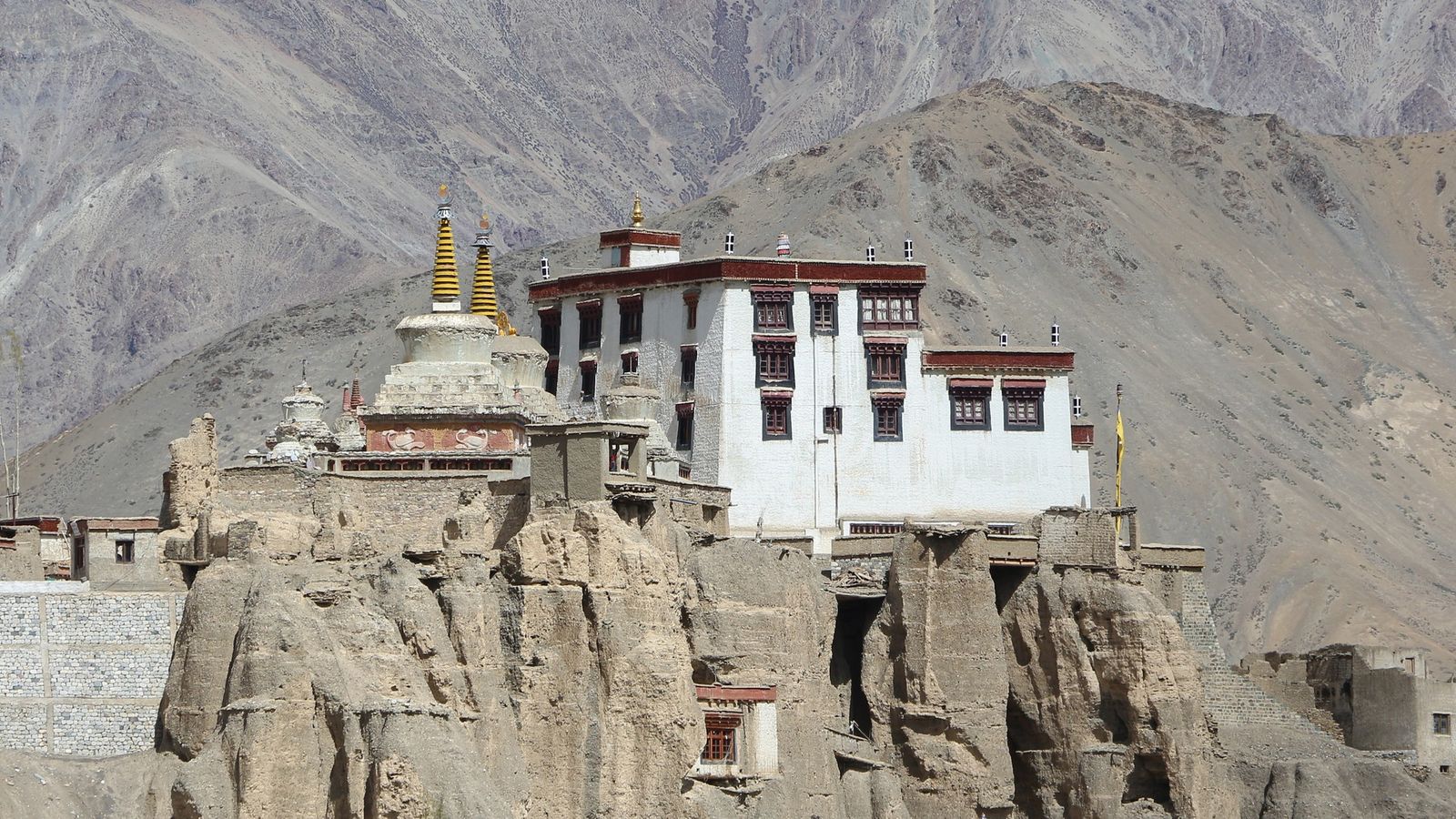
Photo: Bernard Gagnon, CC BY-SA 4.0 (cropped), via Wikimedia Commons

The Leh–Kargil road at Khaltse, where the Indus valley narrows, in early autumn.
Ladakh went from two districts to seven in 2026, and the new lines follow the valleys a traveller already knows.
Seven districts, one notification
On 27 April 2026 the Ladakh administration notified five new districts, which the Ministry of Home Affairs had approved in August 2024. Nubra (headquarters Diskit), Sham (Khaltse) and Changthang (Nyoma) were carved out of Leh. Zanskar (Padum) and Drass (Drass-Ranbirpura) came out of Kargil. Deputy commissioners and police chiefs were appointed the next day. Sub-divisions and tehsils, the smaller revenue units, are to be notified separately; until then the old set-up continues. The old areas and "largest district" figures for Leh and Kargil no longer apply.
Leh, Sham and Nubra
Leh district is now the Indus valley around the town: Leh itself, Shey, Thiksey, Hemis, Stok, Matho, Spituk, Phyang and Basgo, with Rumbak and Chilling on the Markha valley trekking route. A new passenger terminal at Leh airport and a petroglyph conservation park at Sindhu Ghat, for Ladakh's ancient rock carvings, were both inaugurated on 15 October 2026.
Sham runs west along the Indus from Likir and Saspol to Khaltse. It holds the monasteries of Alchi, Likir and Lamayuru, the orchard village of Temisgam, Wanla, and the Dah and Hanu villages downriver, home to the Brokpa, a small Dardic-speaking community. Nubra, over Khardung La, covers Diskit, Hunder, Sumur and Panamik, and the Balti villages of Turtuk and Tyakshi close to the Line of Control, the de facto border with Pakistan.
Changthang, Kargil, Drass and Zanskar
Changthang is the high plateau of the south-east, grazed by Changpa herders and their pashmina goats. It takes in the Indian shore of Pangong Tso around Spangmik and Maan, with Tangtse and Chushul on the way, Tso Moriri at Korzok, the hot springs at Chumathang, and Hanle with its observatory.
Kargil district keeps the town and the Suru valley. The rock-cut Maitreya, the future Buddha, stands at Mulbekh; Sankoo is 40 km south, Panikhar 70 km, and Rangdum, with its hilltop monastery, 130 km. Drass, on the highway from Srinagar, holds the memorial to the 1999 Kargil war and is often called one of the coldest inhabited places on earth. Zanskar covers Padum, Karsha, Sani and Zangla, with the cave monastery of Phuktal reached on foot. It is reached from Kargil over Pensi La, or by the 298 km Nimmu–Padum–Darcha road, dedicated on 15 October 2026, which links Zanskar to Leh and, over Shinku La, to Himachal. Snow can close the passes from October.
Permits and getting there
Indian citizens have not needed an Inner Line Permit since August 2021. Visitors to the Leh side pay an environment fee, a wildlife fee and a Red Cross contribution online at lahdclehpermit.in, and carry the receipt to checkposts; a few villages on the border stay closed to tourists. Foreign nationals need a Protected Area Permit for areas such as Nubra, Khardung La, Pangong and Tso Moriri, arranged in Leh. Kargil town, Drass, the Suru valley and Zanskar are generally open to foreigners without one, but check before you go: in August 2026 the administration began work on a single permit for the whole territory.
Leh has flights from Delhi and other cities all year. Roads come in from Srinagar over Zoji La, from Manali, and now through Zanskar. Rest for at least 48 hours in Leh before going higher, as the district administration advises.
What the new districts change for a visitor
For now, very little on the road. Permits and the environment fee are still handled from Leh, checkposts sit where they did, and the old sub-divisions keep working until new ones are notified. The new district offices at Diskit, Khaltse, Nyoma, Padum and Drass matter most to the people who live there, who once travelled more than 300 km to reach a district office.
The new map does help with planning. The notification lists every revenue village by district: Pangong's shore villages, Korzok and Hanle fall in Changthang; Alchi, Lamayuru and the Dah and Hanu villages in Sham; Turtuk and Panamik in Nubra. Leh district is left with 44 villages, Kargil with 80.
Districts at a glance
- Leh (Leh): the town, the Indus valley monasteries, Stok and the Markha valley.
- Sham (Khaltse): Alchi, Likir, Lamayuru and the Dah and Hanu villages.
- Nubra (Diskit): Khardung La, the dunes at Hunder, Panamik and Turtuk.
- Changthang (Nyoma): Pangong, Tso Moriri, Hanle and the nomad plateau.
- Kargil (Kargil): the town, Mulbekh and the Suru valley to Rangdum.
- Drass (Drass-Ranbirpura): the war memorial and the road from Zoji La.
- Zanskar (Padum): Karsha, Phuktal and the new road over Shinku La.
On the new map, the line between two districts often runs along a pass you will cross before lunch.
Plan your visit
| Best season | May to September for most of Ladakh. Snow can close Pensi La, Shinku La and the high passes from October. |
|---|---|
| How to reach | Flights to Leh from Delhi and other cities all year. By road from Srinagar over Zoji La, from Manali, or through Zanskar by the Nimmu–Padum–Darcha road. |
| Getting around | Taxis from Leh and Kargil; few buses. Distances are long and passes high, so set off early. |
| Where to stay | Leh town; Diskit or Hunder in Nubra; Spangmik or Maan at Pangong; Korzok at Tso Moriri; Kargil town; Padum in Zanskar. |
| How long to spend | Ten days for Leh, Nubra and Changthang. Two to three weeks to add all seven: in from Srinagar through Drass, Kargil and Sham, with Zanskar as its own loop. More in our Ladakh guide. |
| Permits for Indians | No Inner Line Permit since August 2021. On the Leh side, pay the environment, wildlife and Red Cross fees online at lahdclehpermit.in and carry the receipt; the portal shows the total. |
| Permits for foreigners | A Protected Area Permit for Nubra, Khardung La, Pangong, Tso Moriri, Hanle and the Dah and Hanu villages, arranged in Leh. Citizens of some countries need prior clearance from the Ministry of Home Affairs. Check the rules for Kargil and Zanskar before you go. |
Questions people ask
How many districts does Ladakh have?
Seven since 27 April 2026: Leh, Nubra, Sham and Changthang on the eastern side, and Kargil, Drass and Zanskar on the western side.
Which district is Pangong Tso in now?
Changthang, headquartered at Nyoma. It also holds Tso Moriri and Hanle.
Do Indians need an Inner Line Permit for Ladakh?
No. It was removed in August 2021. Visitors to the Leh side pay an environment fee, a wildlife fee and a Red Cross contribution online and carry the receipt.
Do foreigners need a permit for Kargil and Zanskar?
Kargil town, Drass, the Suru valley and Zanskar are generally open without a Protected Area Permit, but the administration is reviewing the permit system, so confirm before you travel.
Read next
Written by Muthu, editor of Aura of India. Sources: Administration of UT Ladakh: five new districts notified (27 April 2026), Ladakh Gazette Extraordinary, S.O. 180 (27 April 2026): districts and revenue villages, Leh District Permit Tracking System (LAHDC Leh), Press Information Bureau: PM to dedicate Nimmu–Padum–Darcha road and Leh airport terminal (14 October 2026), District Kargil: Suru valley, Times of India: Ladakh scraps permit system for domestic tourists (August 2021), The Tribune: Ladakh mulls single permit for foreign tourists (August 2026). Last verified: 15 October 2026.
Your turn: Which of Ladakh's seven districts did you spend the most time in, and which pass took you there?
Comments
Post a Comment
Comments are always welcome, that will help us to motivate ourselves and improve our services. Thanks!!