Agra Beyond the Taj: Fort, Markets and River Views
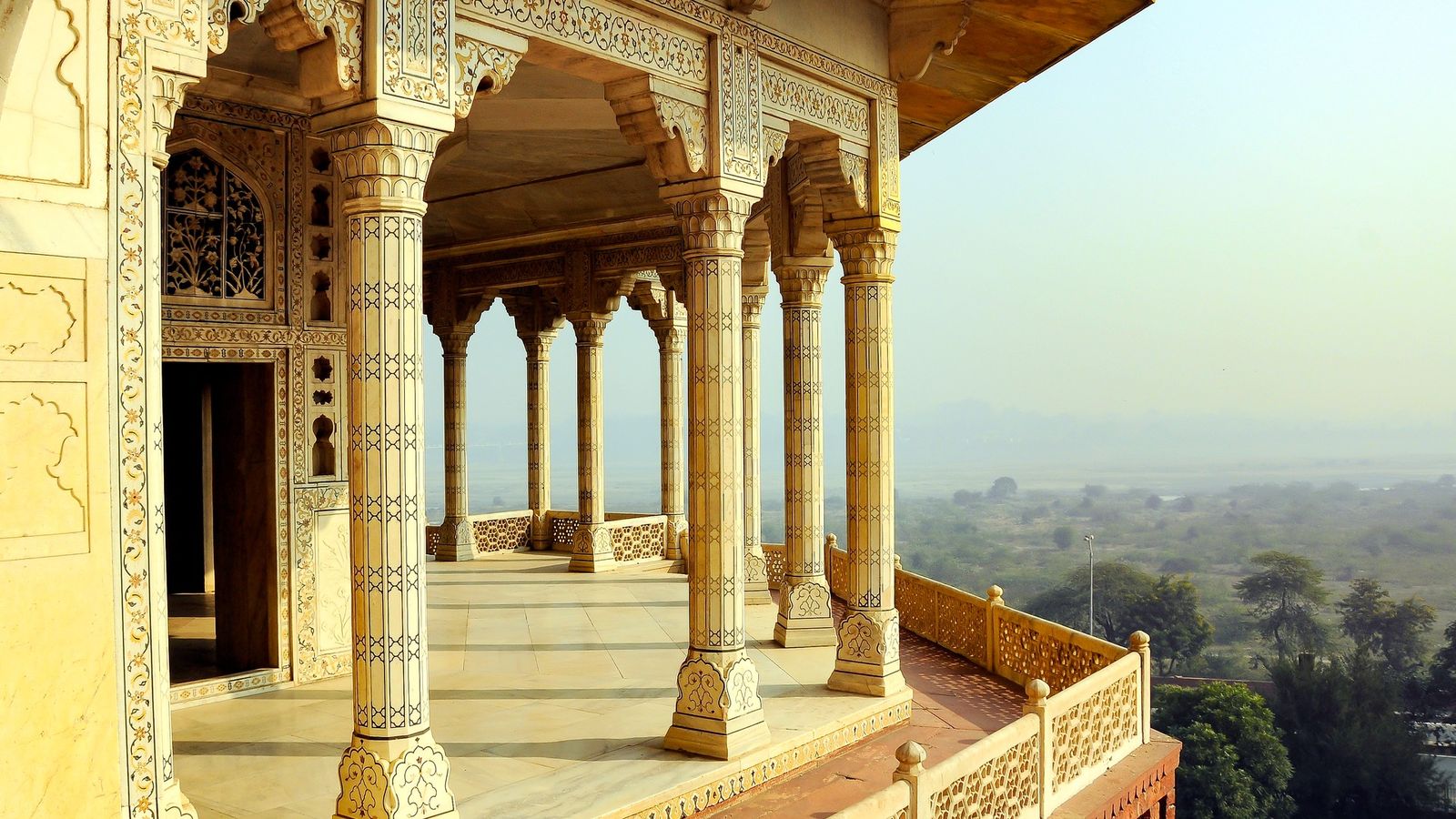
Photo: Kanad Sanyal, CC BY-SA 4.0 (cropped), via Wikimedia Commons

Agra’s old lanes and the Yamuna bank, away from the Taj ticket gates.
The city is more than the queue for one marble tomb.
River and red stone
Agra sits on a bend of the Yamuna. Upstream of the Taj, Agra Fort’s red sandstone walls still command the river. Across the water, Mehtab Bagh lines up with the tomb and gives the quieter view many visitors prefer at late afternoon. Between fort and Jama Masjid, the old market lanes — Kinari Bazaar and the alleys around it — sell cloth, wedding trim, jewellery and the city’s soft petha sweets. None of this needs a Taj sunrise ticket; it needs walking shoes and a half day.
This piece stays off the Taj timings list on purpose. The marble mausoleum is world-famous and well covered elsewhere; the point here is the working city around it.
How to spend the day
Morning suits the fort’s courtyards before the heat builds. Midday fits the bazaar, when shops are open and you can watch marble-inlay and leather work without the dawn crush. Late afternoon belongs to Mehtab Bagh or the riverfront light. Autos link the fort area, the eastern gardens and Fatehabad Road; the old lanes are on foot.
Eat in the civil lines or a known vegetarian shop if your stomach is careful; street sweets are part of the city’s name, but buy sealed boxes of petha from a counter with a queue of locals.
Why the rest of Agra matters
The Mughals ruled from here before Shah Jahan’s marble tomb became the only postcard. Agra Fort, Itimad-ud-Daulah’s tomb (the “Baby Taj”) on the east bank, Chini ka Rauza and the old markets are the same imperial city, not side trips. Fatehpur Sikri, Akbar’s abandoned capital about 37 km west, is a separate half-day of sandstone courts and the Buland Darwaza — worth planning if you have a second day, not if you try to crush it between two Taj slots.
For the wider state, see the Uttar Pradesh guide. A dedicated Fatehpur Sikri afternoon sits as its own story on this site.
Getting there
Kheria Airport serves Agra; the main railway station connects Delhi, Jaipur and the east. The Yamuna Expressway makes the Delhi drive straightforward in winter. October to March is the comfortable season; summer midday on the fort stone is harsh. One full day covers fort, bazaar and Mehtab Bagh; add Fatehpur Sikri only with a second morning or a long, early start.
Mehtab Bagh and the east bank
Mehtab Bagh sits across the Yamuna in line with the Taj. It is ticketed, quieter than the main complex at late afternoon, and enough for many visitors who already saw the tomb another morning. Itimad-ud-Daulah’s marble tomb, further along the east bank, rewards an extra hour if you like inlay work without the densest crowds.
Check current ASI ticket rates at the gate or on the official ticket portal before you go; fees differ for Indian and foreign visitors and change with notifications.
Fatehpur Sikri as a half-day
Fatehpur Sikri is about 37 km west of Agra. Sunrise-to-sunset visiting is the usual frame; allow two to three hours on site plus road time. It fits a second day or a long early start — not a gap between two Taj slots. A dedicated Fatehpur Sikri afternoon post on this site covers the courts in more detail.
For the wider state, see the Uttar Pradesh guide.
Beyond the ticket line
- Agra Fort: red sandstone palace-fort on the Yamuna; allow two hours.
- Kinari Bazaar: old market for cloth, trim and everyday Agra shopping.
- Mehtab Bagh: garden across the river for the aligned view back to the Taj.
- Itimad-ud-Daulah: marble tomb on the east bank, quieter than the main complex.
- Fatehpur Sikri: half-day west of the city — plan it, do not squeeze it into a Taj-only dash.
At dusk the fort goes dark first, and the river still carries the last of the light.
Plan your visit
| Best season | October to March. Start outdoor forts and gardens early; bazaars work through the middle of the day. |
|---|---|
| How to reach | Kheria Airport; Agra Cantt and other stations; Yamuna Expressway from Delhi by road. |
| Getting around | Autos and taxis between fort, east-bank gardens and Fatehabad Road; Kinari Bazaar on foot. |
| Where to stay | Near the fort / civil lines for old-city access; Fatehabad Road for Taj-side hotels if you also hold a tomb ticket on another morning. |
| How long to spend | One full day for fort, bazaar and Mehtab Bagh; add Fatehpur Sikri only with a second half-day. |
| Entry fees | Agra Fort, Mehtab Bagh and Fatehpur Sikri are ASI ticketed monuments — check current Indian/foreign rates at the gate as of your visit (October 2026 guidance: verify on the day). |
Questions people ask
What is there to do in Agra besides the Taj Mahal?
Agra Fort, Kinari Bazaar, Mehtab Bagh across the Yamuna, Itimad-ud-Daulah, and a half-day at Fatehpur Sikri about 37 km west.
Is Mehtab Bagh worth it if I already saw the Taj?
Yes if you want the aligned river view with fewer people, especially in late afternoon light.
Can I do Fatehpur Sikri on the same day as the fort and bazaar?
Only with an early start and a skipped stop. A separate half-day is more comfortable.
Where should I buy petha?
From a busy sweet counter with sealed boxes, not from an unmarked heap near a ticket gate.
Read next
Written by Muthu, editor of Aura of India. Sources: UPSTDC: Agra tourism (Fatehpur Sikri ~37 km), Incredible India: Mehtab Bagh / one-day Agra framing, Incredible India: Uttar Pradesh trip notes including Agra Fort and Kinari Bazaar, Archaeological Survey of India. Last verified: 22 October 2026.
Your turn: After the Taj, what did you actually enjoy more in Agra — the fort, the bazaar, or the river view from Mehtab Bagh?
Comments
Post a Comment
Comments are always welcome, that will help us to motivate ourselves and improve our services. Thanks!!