Sukhna Lake, Chandigarh: Dawn Walk, Birds and Boating
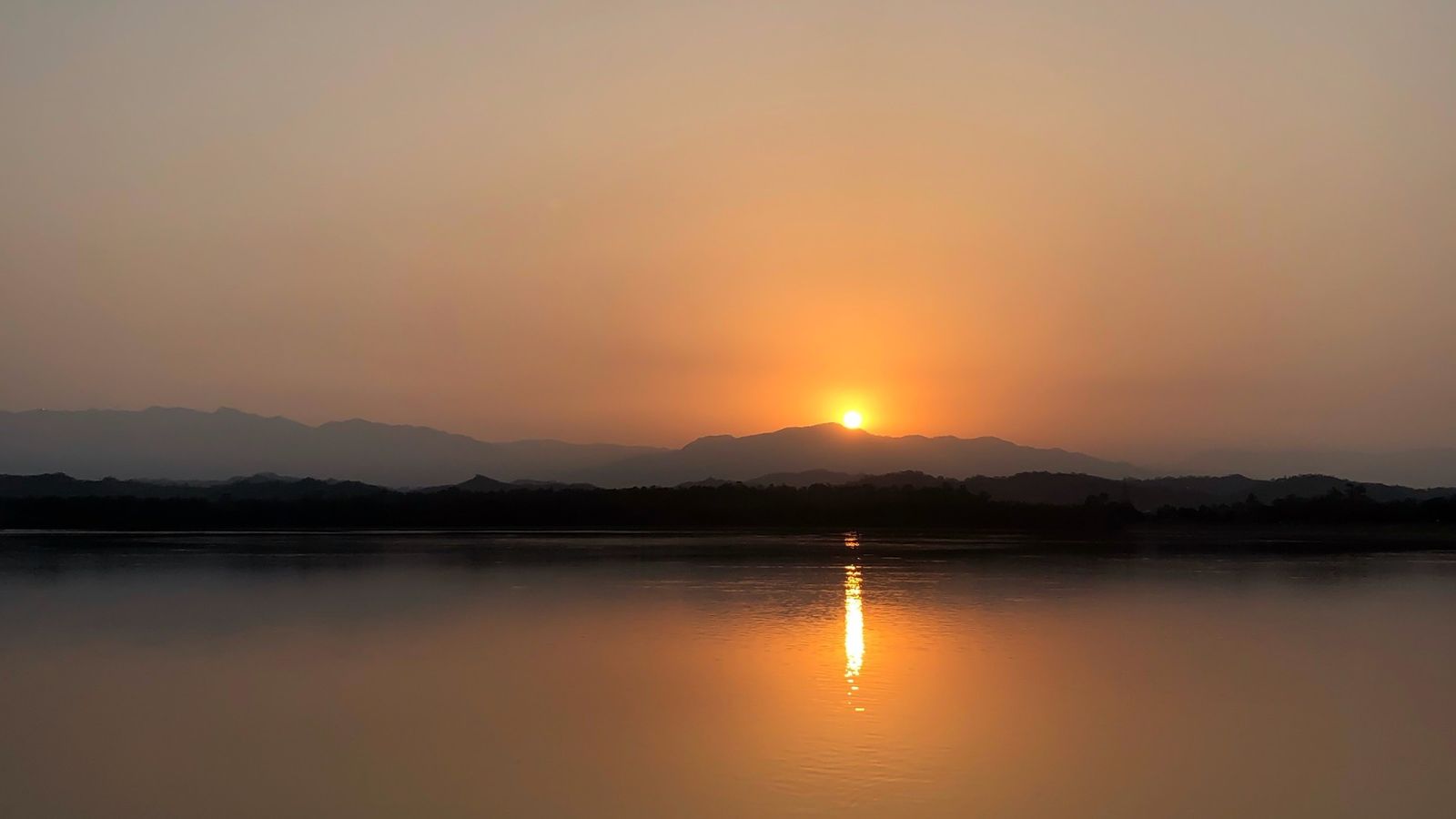
Photo: Unpetitprole, CC BY-SA 4.0 (cropped), via Wikimedia Commons

Sukhna Lake, Chandigarh, at first light, mist still on the water.
The city wakes on the bund: walkers, birds and a rowing channel before the boats open.
What first light shows
Sukhna is a rain-fed lake of about three square kilometres in Sector 1, made in 1958 by damming the Sukhna Choe as it left the Shivalik hills. Chandigarh Tourism and Incredible India both describe it as a National Wetland. The dam roof is a long promenade. Motorboats are kept off the water and cars off the promenade, so dawn is quiet: joggers in single file, the Shivaliks as a dark line, and, in winter, migratory ducks, storks and cranes on the far reaches. This story stays with the lake. The Rock Garden is another outing.
How people use the bund
Locals treat the promenade as a daily circuit. Serious walkers come before office hours; families return at evening. Pedal boats, four-seaters and shikaras hire from the ticket counter later in the day — Chandigarh Tourism’s online dashboard listed two-seater boats at ₹250 and four-seaters at ₹500 as of early October 2026; confirm at the counter. The Lake Club and competitive rowing use the long channel that tourism pages call among Asia’s longest for rowing and yachting. Visitors without a club membership watch from the shore. The Garden of Silence and the lakeside eating points sit along the same edge for a slower morning.
Why the lake was built into the plan
Le Corbusier’s Chandigarh needed a place for what the plan called the care of body and spirit. The artificial lake gave the new capital a horizon and a weekend habit. Winter bird arrivals turned it into a seasonal sanctuary as well as a sports venue. November already cools the air; December to February is the bird peak. Come for the walk even if boating waits until mid-morning. The point is the mist, the slap of oars from a training crew, and the city grid held at a distance by water.
Getting there
Chandigarh Tourism lists the lake open daily from 5 am to 9 pm, entry free. Shaheed Bhagat Singh International Airport and Chandigarh Junction station both serve the city; Sector 1 is a short taxi or auto ride from the northern sectors. Autos cannot drive onto the promenade; walk the bund. October to March is the most comfortable season; summer afternoons are harsh on open water. For the wider planned city, see Chandigarh.
Birds and the winter lake
Chandigarh Tourism lists migratory visitors such as Siberian duck, storks and cranes in the winter months. December to February is the usual peak. Stay on the promenade and viewing edges; do not walk out toward roosts. Binoculars help more than a phone zoom.
Misty November mornings already feel like the season’s start. If the light is dull, the walk still works; save boating for clearer mid-morning.
Boats, clubs and what visitors can do
Public pedal boats and shikaras hire from the tourism ticket arrangements at the lake. The Chandigarh Tourism ticket dashboard in October 2026 showed two-seater boats at ₹250, four-seaters at ₹500, and shikara rates from ₹500 for one to two people (extra per person above two). Confirm on the day. Club rowing and yachting use the long channel; membership areas are not a casual swim beach.
Incredible India notes the ban on motorboats and on cars on the promenade. After the lake, the Capitol Complex or sector markets fit the same morning; leave the Rock Garden for a separate ticketed visit. See Chandigarh.
A dawn hour on the lake
- 5.30–6.30 am: walk the promenade while mist still sits on the water.
- Birds: bring binoculars in winter; stay on the path, do not chase flocks.
- Boating: wait until the ticket counter opens; rates change — check the board.
- Food: CITCO and lakeside cafes for breakfast after the walk, not on the bund edge.
- Combine later: Capitol Complex or the sector markets after the light hardens; leave Rock Garden for another slot.
When the mist lifts, the Shivaliks return, and the first pedal boat leaves a thin V on the lake.
Plan your visit
| Best season | October to March for cool air; December to February for migratory birds. |
|---|---|
| Timings | Chandigarh Tourism: 5:00 am to 9:00 pm daily. |
| Entry | Lake and promenade free. Boating charged separately at the ticket counter. |
| Boating (as of October 2026 dashboard) | Two-seater ₹250; four-seater ₹500; shikara ₹500 for 1–2 persons, then ₹250 per extra person. Recheck at the counter. |
| How to reach | Sector 1, Chandigarh. Taxi or auto from the airport (IXC) or Chandigarh Junction; walk the bund (no cars on the promenade). |
| How long to spend | One hour at dawn for the walk; two to three hours if boating and breakfast follow. |
| Nearby (separate visits) | Garden of Silence on the lake edge; Rock Garden and Capitol Complex are other Chandigarh stops, not required for this story. |
Questions people ask
What are Sukhna Lake timings?
Chandigarh Tourism lists the lake open daily from 5:00 am to 9:00 pm. Entry to the promenade is free.
Can you boat on Sukhna Lake?
Yes. Pedal boats and shikaras are hired from the ticket counter. Rates on the tourism dashboard in October 2026 started at ₹250 for a two-seater; confirm when you go. Motorboats are not part of the public scene.
When are migratory birds at Sukhna?
Mainly in winter, with December to February the strongest months for ducks, storks and cranes according to Chandigarh Tourism.
Is Sukhna Lake the same visit as the Rock Garden?
No. The lake is a free dawn walk and boating spot in Sector 1. The Rock Garden is a separate ticketed garden elsewhere in the city.
Read next
Written by Muthu, editor of Aura of India. Sources: Chandigarh Tourism: Sukhna Lake, Chandigarh Tourism: ticket dashboard (Sukhna boat rates), Incredible India: Sukhna Lake. Last verified: 22 October 2026.
Your turn: Do you walk Sukhna at dawn for the mist, or later for a boat — and which stretch of the bund do you turn back on?
Comments
Post a Comment
Comments are always welcome, that will help us to motivate ourselves and improve our services. Thanks!!