Largest Temples in Bihar: Mahabodhi, Vishnupad and Viraat Ramayan
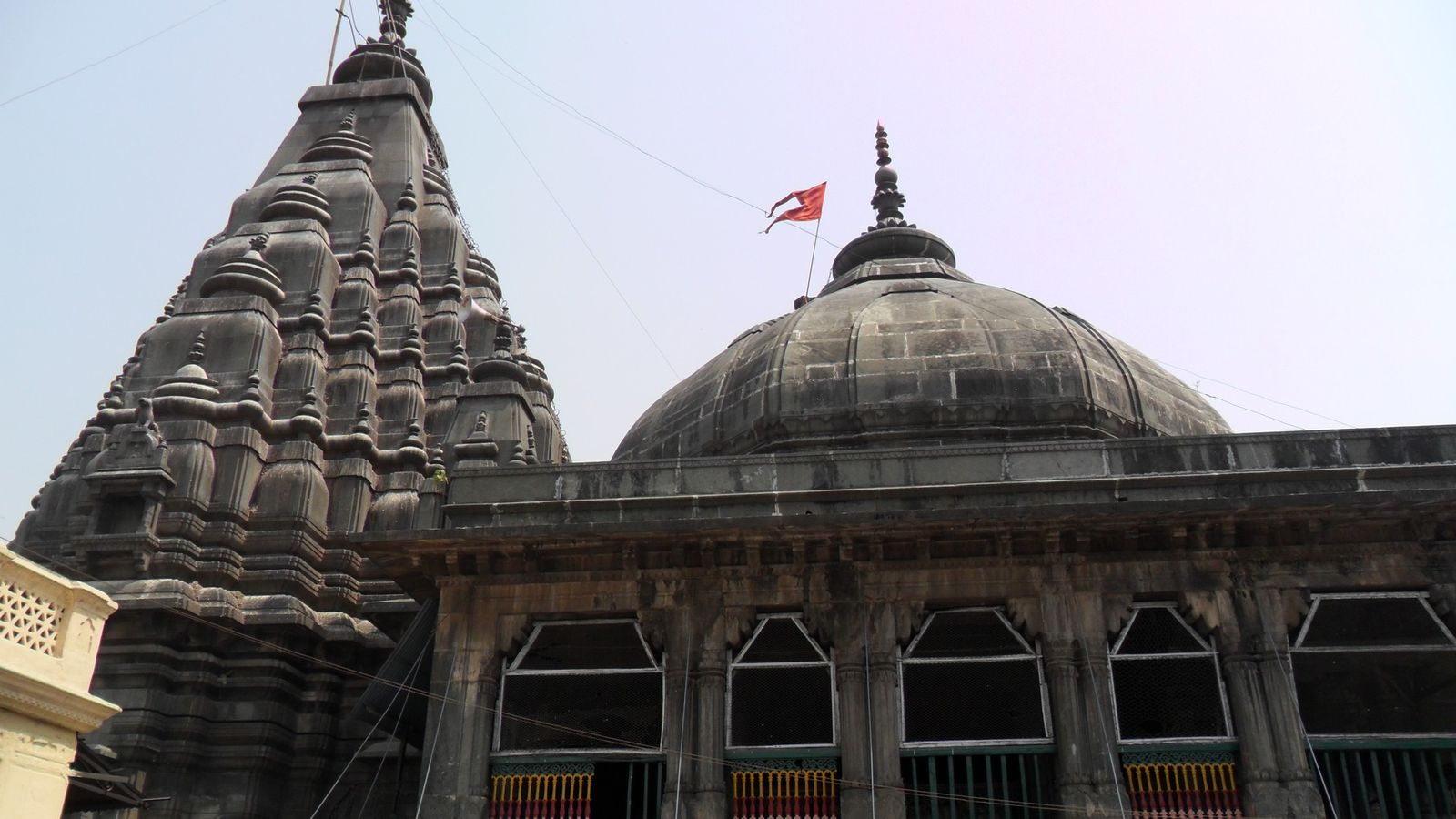
Photo: Somujha88, CC BY-SA 3.0 (cropped), via Wikimedia Commons

Bodh Gaya, in the cool hour after the evening lamps are lit.
Bihar's greatest temples mark the places where faiths began: a tree, a footprint, a lotus pond.
The temple by the tree
The Mahabodhi Temple at Bodh Gaya stands beside a descendant of the tree under which the Buddha is said to have reached enlightenment. Its tall, tapering brick tower, restored many times, is a UNESCO World Heritage Site. Monks from Sri Lanka, Tibet, Thailand, Myanmar and Japan pray side by side in the gardens, and at dusk the paths fill with butter lamps. Around the town, countries have built their own temples and monasteries, each in its own style, and a giant seated Buddha in stone looks over the fields.
The footprint at Gaya
A short drive north, the Vishnupad temple in Gaya was rebuilt in 1787 by Queen Ahilyabai Holkar of Indore. Inside, a footprint in basalt is worshipped as the mark of Vishnu. Families come from across India to perform rites for their ancestors on the ghats of the Phalgu river, especially during Pitru Paksha, the fortnight for the dead in September or October; regional calendars can shift the dates.
Patna, Pawapuri and a temple still being built
In Patna, the Mahavir Mandir near the railway station is one of the busiest Hanuman temples in the north, known for its laddus. At Pawapuri, the white marble Jal Mandir stands in the middle of a lotus pond, reached by a long causeway; Jains hold that Mahavira attained nirvana here. In East Champaran, the Viraat Ramayan Mandir is under construction, planned as one of the largest temple complexes anywhere.
Visiting
Gaya has an airport and a major railway junction, and Bodh Gaya is about half an hour away by road. The season runs from October to March, when Buddhist pilgrims arrive in large numbers; summers are very hot. Shoes come off at every temple, and Bodh Gaya asks for quiet in the inner garden. Pawapuri is easily combined with Rajgir and the ruins of Nalanda.
Inside the Mahabodhi complex
The temple is built of brick, and its pyramid-shaped tower climbs about 170 feet from a courtyard set below the level of the town, so you walk down steps to reach it. Behind the tower, the Bodhi tree spreads over the Vajrasana, a stone platform that marks the seat of the enlightenment.
A paved path circles the tower, and pilgrims walk it clockwise. Along it are the Animesh Lochan shrine, where tradition says the Buddha stood looking at the tree for a week; a row of carved stone lotuses raised on a plinth, the jewel walk, where by tradition he walked in meditation; and, to the south, a lotus pond. The morning chanting runs from 5:30 to 6 am and the evening chanting from 6 to 7 pm.
Bodh Gaya beyond the Mahabodhi
Around the Mahabodhi temple stand monasteries built by Buddhist countries and communities, each in its own style: Thai, Japanese, Bhutanese and Tibetan among them. Most are open to visitors during the day and are quieter than the main temple.
A short walk away, the Great Buddha Statue sits in the open, about 25 metres high, consecrated by the Dalai Lama in 1989. Across the river, in the village of Bakraur, the brick mound of the Sujata stupa marks the place where, by tradition, a village woman offered the Buddha a bowl of rice and milk. Early morning, before the tour buses, is the calmest time for all three. For Bihar's other faiths, see the sacred places of Bihar.
The Viraat Ramayan Mandir
The new temple is rising at Kaithwalia, near Kesaria in East Champaran district, about 120 km north of Patna. A Shiva lingam 33 feet high was installed in January 2026, and completion is planned for about 2030. Until then it is a building site; whether visitors can go inside the works, check before you go.
Kesaria is worth the trip on its own for its great brick Buddhist stupa, one of the largest in India. To see how Bihar's temples compare with the rest of the country, read the largest temples in India.
Temples to know
- Mahabodhi Temple, Bodh Gaya: the place of the Buddha's enlightenment.
- Vishnupad temple, Gaya: the footprint in stone, by the Phalgu.
- Great Buddha Statue, Bodh Gaya: a seated Buddha, about 25 metres high.
- Mahavir Mandir, Patna: the Hanuman temple by the station.
- Jal Mandir, Pawapuri: white marble in a lotus pond.
- Viraat Ramayan Mandir, East Champaran: a vast temple under construction.
At Bodh Gaya, the loudest sound after dark is a monk turning the pages of a book.
Plan your visit
| Best season | October to March; summers are very hot for walking temple courtyards barefoot. Avoid Vishnupad in Pitru Paksha and the Mahabodhi at Buddha Purnima unless you want the crowds. |
|---|---|
| Mahabodhi | Bodh Gaya, about half an hour by road from Gaya airport or Gaya Junction. Open 5 am to 9 pm daily; go for the 5:30 am chanting. |
| Vishnupad | On the Phalgu in Gaya, 12 km north of Bodh Gaya by auto or taxi. Hours not published; check before you go. |
| Mahavir Mandir | Beside Patna Junction, a short ride from Patna airport. |
| Jal Mandir | Pawapuri, by hired car; combine it with Rajgir and Nalanda and stay in Rajgir. |
| Viraat Ramayan Mandir | Kaithwalia near Kesaria, about 120 km north of Patna by road; a building site until about 2030. |
| How long to spend | Three days for Bodh Gaya, Gaya and Pawapuri; add a day for Patna and another for Kesaria. |
| Dress and rules | Phones and electronic gadgets are not allowed inside the Mahabodhi or Vishnupad temples; use the deposit counters. Shoes come off at every temple. |
Questions people ask
Which is the largest temple in Bihar?
Today the Mahabodhi temple at Bodh Gaya, a World Heritage Site with a tower about 170 feet high, is the best known. The Viraat Ramayan Mandir in East Champaran is planned to be far larger once it is finished.
Who built the Vishnupad temple?
The present temple was rebuilt in 1787 by Ahilyabai Holkar, the queen of Indore. Inside, a footprint about 40 cm long, carved in basalt, is worshipped as Vishnu's.
When will the Viraat Ramayan Mandir open?
Completion is planned for about 2030. A 33-foot Shiva lingam was installed in January 2026, but the rest is still being built.
Can I take my phone into the Mahabodhi temple?
No. Bihar Tourism says phones and electronic gadgets are not allowed inside; leave them at the deposit counter near the entrance.
What are the Mahabodhi temple's timings?
It is open from 5 am to 9 pm every day, with chanting from 5:30 to 6 am and from 6 to 7 pm.
Read next
Written by Muthu, editor of Aura of India. Sources: Bodhgaya Temple Management Committee: temple timing, Bihar Tourism: Mahabodhi Temple, Bihar Tourism: Vishnupad Temple. Last verified: 13 October 2026.
Your turn: Which monastery in Bodh Gaya did you find most peaceful, and when did you go?
Comments
Post a Comment
Comments are always welcome, that will help us to motivate ourselves and improve our services. Thanks!!