Mumbai Local Trains: Lines, Tickets, Rush Hours and Etiquette
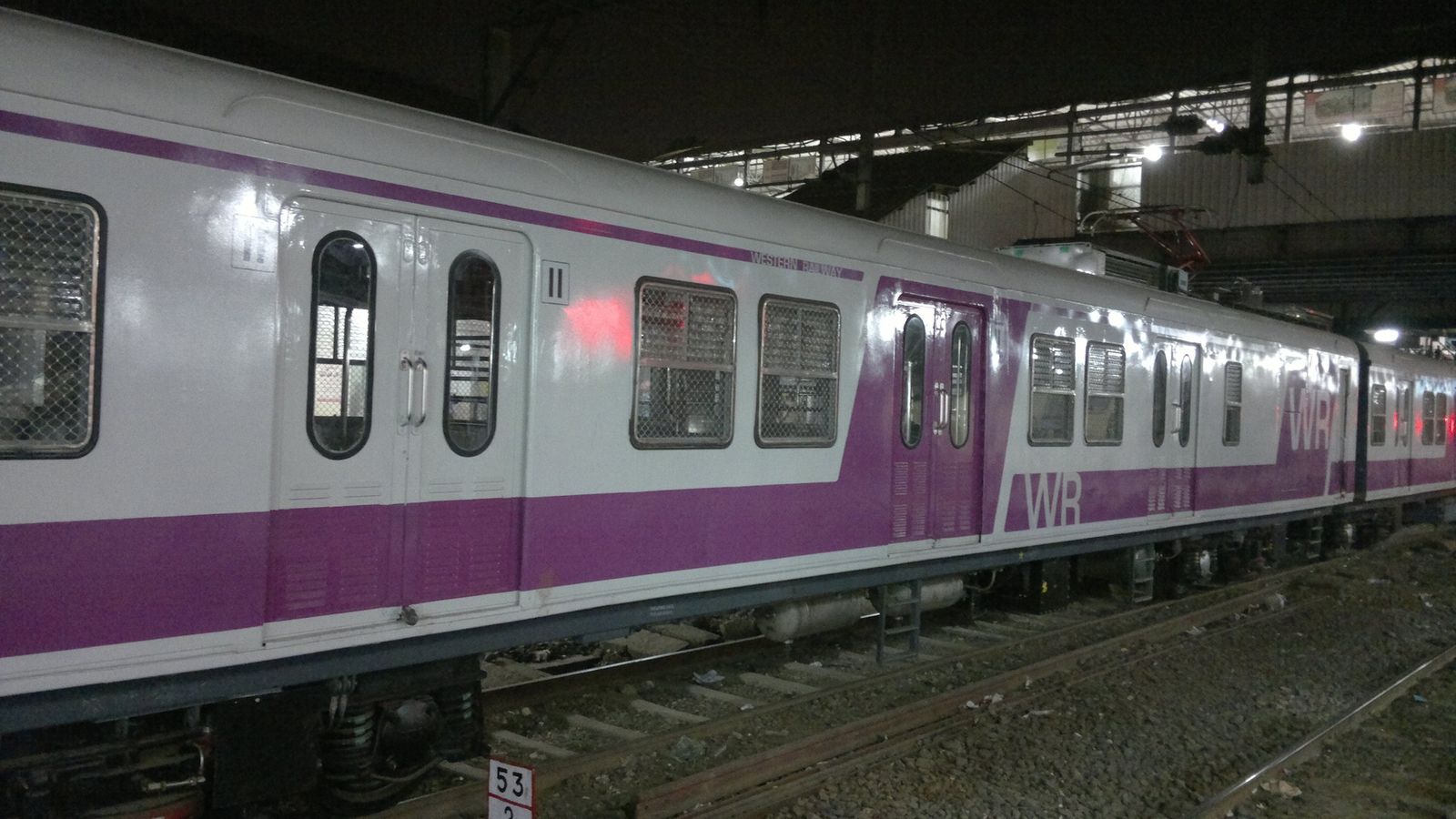
Photo: 25 Cents FC, CC BY-SA 3.0 (cropped), via Wikimedia Commons

A Western line local leaving Churchgate, late morning.
The Mumbai local shows you the city in section, one station at a time.
Open doors and a passing city
The local is a long electric train of twelve or fifteen coaches. Inside are steel benches, ceiling fans and rows of handles to hold. On most trains the doors stay open, so the city comes in with the air. Stations arrive every two or three minutes. Between them the view is backs of buildings, washing on balconies, a temple roof, a creek, and now and then a sudden stripe of sea.
How Mumbai rides it
For millions of people, the local is simply how they get to work. Many hold monthly passes and catch the same train with the same group for years. Every train has compartments for women only, marked on the coach and on the platform, and a few trains, called ladies’ specials, carry women only. There are first-class coaches, which cost more, and spaces set aside for people with disabilities and for senior citizens. In the morning the crowd flows into south Mumbai; in the evening it flows out again.
Why it matters
India’s first passenger train ran here, on 16 April 1853, from Bori Bunder to Thane, 34 kilometres away. The station at Bori Bunder grew into Victoria Terminus, now Chhatrapati Shivaji Maharaj Terminus, or CSMT. Its Gothic building, designed by F. W. Stevens and begun in 1878, has been a UNESCO World Heritage Site since 2004. Today the suburban network carries more than six million journeys on a working day. Without it, Mumbai would stop.
How to ride it
There are three main lines. The Western runs north from Churchgate, the Central north-east from CSMT, and the Harbour from CSMT towards Navi Mumbai and Panvel. Buy a ticket before you reach the platform: at the counter, at an automatic ticket vending machine (ATVM), or on Indian Railways’ RailOne app, which has taken over from the older UTS app. A ticket is for one class, so do not board first class on a second-class ticket.
Three lines and a terminus
Western Railway runs the Western line, from Churchgate up the west side of the city to Virar and on to Dahanu Road. Central Railway runs the other two. The Central line goes from CSMT to Thane and Kalyan, where it splits for Kasara and Khopoli, at the foot of the ghats. The Harbour line leaves CSMT along the eastern docks; at Wadala one branch turns east to Navi Mumbai and Panvel, the other west to Bandra, Andheri and Goregaon. A Trans-Harbour line links Thane with Vashi and Panvel.
The lines meet at a few big stations: Dadar for the Western and Central, Kurla for the Central and Harbour, Bandra and Andheri for the Western and Harbour. On the Western and Central lines, fast trains skip many stations and slow trains stop at all of them. Indicators above the platform show the destination, F or S for fast or slow, and the number of coaches.
CSMT itself is worth an hour. UNESCO describes it as Victorian Gothic blended with Indian palace architecture: a stone dome crowned by a figure of Progress, gargoyles, carved animals, and a lion and a tiger on the gate columns, for Britain and India. Watch the evening rush from the concourse, then step outside to see the building lit. For the rest of the state, see Maharashtra and our Maharashtra guide.
A first ride, step by step
Choose a short ride outside the rush, such as Churchgate to Bandra on a Western line slow train, which crosses the Mahim creek. Buy a second-class or first-class ticket at the counter or an ATVM, or on the RailOne app before you enter the station; paperless app tickets are not issued inside station premises. Keep the ticket until you leave, as checkers work on platforms and on trains.
Read the indicator, then look along the train for the painted signs that mark first-class and ladies’ coaches. Get in, hold a handle and keep your bag in front of you. A station before yours, move towards the door; people will make room if you ask. Air-conditioned locals, whose doors close automatically, run on some services and need their own ticket.
Before you ride
- Ride between late morning and mid-afternoon, away from the rush.
- Women can use the ladies’ compartments. Men must keep out of them.
- Stand away from the door unless your station is next. Never ride on the footboard or lean out.
- Let people off first, and move towards the door a station early.
- Cross by the footbridge, never over the tracks.
Between Mahim and Bandra the train crosses the creek, and for a few seconds the open door frames water instead of walls.
Plan your visit
| Lines | Western (Churchgate to Virar and Dahanu Road), Central (CSMT to Kalyan, Kasara and Khopoli) and Harbour (CSMT to Panvel and Goregaon), plus the Trans-Harbour line from Thane. |
|---|---|
| Running hours | From before dawn until after midnight on the main lines, every few minutes at peak. First and last trains differ by line; check the timetable on the RailOne app or at the station. |
| Tickets | Counters, automatic ticket vending machines (ATVMs) and the RailOne app. Second class, first class and AC tickets are separate. Fares are low; check them at the counter or in the app. Travelling without a valid ticket costs the fare plus an excess charge, at least ₹500 since 20 June 2026. |
| Rush hours | Roughly 8 to 11 am into south Mumbai and 5:30 to 9 pm out of it, on weekdays. Late morning to mid-afternoon is calmer. |
| Women and accessibility | Every train has ladies’ compartments in first and second class, coaches for people with disabilities and cancer patients, and seats for senior citizens. |
| Where to start | Churchgate for the Western line; CSMT for the Central and Harbour lines. |
| Time needed | An hour for a first ride there and back; another hour for CSMT. |
Open Chhatrapati Shivaji Maharaj Terminus, Mumbai, Maharashtra in Google Maps
Questions people ask
Is the Mumbai local safe for visitors?
Yes, if you ride outside the rush hours, stand away from the open doors and keep your bag in front of you. Never board or leave a moving train.
How do I buy a Mumbai local ticket?
At a station counter, at an automatic ticket vending machine, or on Indian Railways’ RailOne app. Buy it before you enter the platform. Season passes moved from the older UTS app to RailOne in 2026.
Can men travel in the ladies’ compartment?
No. Ladies’ compartments are for women only and are marked on the coach and the platform. Women may also travel in the general compartments.
What is the fine for travelling without a ticket?
The fare plus an excess charge, with a minimum of ₹500 since 20 June 2026. The same applies if you travel in a higher class than your ticket.
Is it legal to ride on the footboard?
No. Under Section 156 of the Railways Act, travelling on the footboard, step or roof after a warning can bring a fine or up to three months in prison. It is also the cause of many deaths every year.
Read next
Written by Muthu, editor of Aura of India. Sources: UNESCO World Heritage Centre: Chhatrapati Shivaji Terminus, Press Information Bureau: RailOne app for reserved, unreserved and platform tickets (August 2026), Indian Railways: Railways Act, 1989, offences and penalties (Section 156), The Indian Express: ticketless travel fine doubled to ₹500 (June 2026). Last verified: 14 October 2026.
Your turn: Which stretch of the Mumbai local would you send a first-time rider on, and at what time of day?
Comments
Post a Comment
Comments are always welcome, that will help us to motivate ourselves and improve our services. Thanks!!