Kerala Travel Guide: Backwaters, Hills, Beaches and When to Go
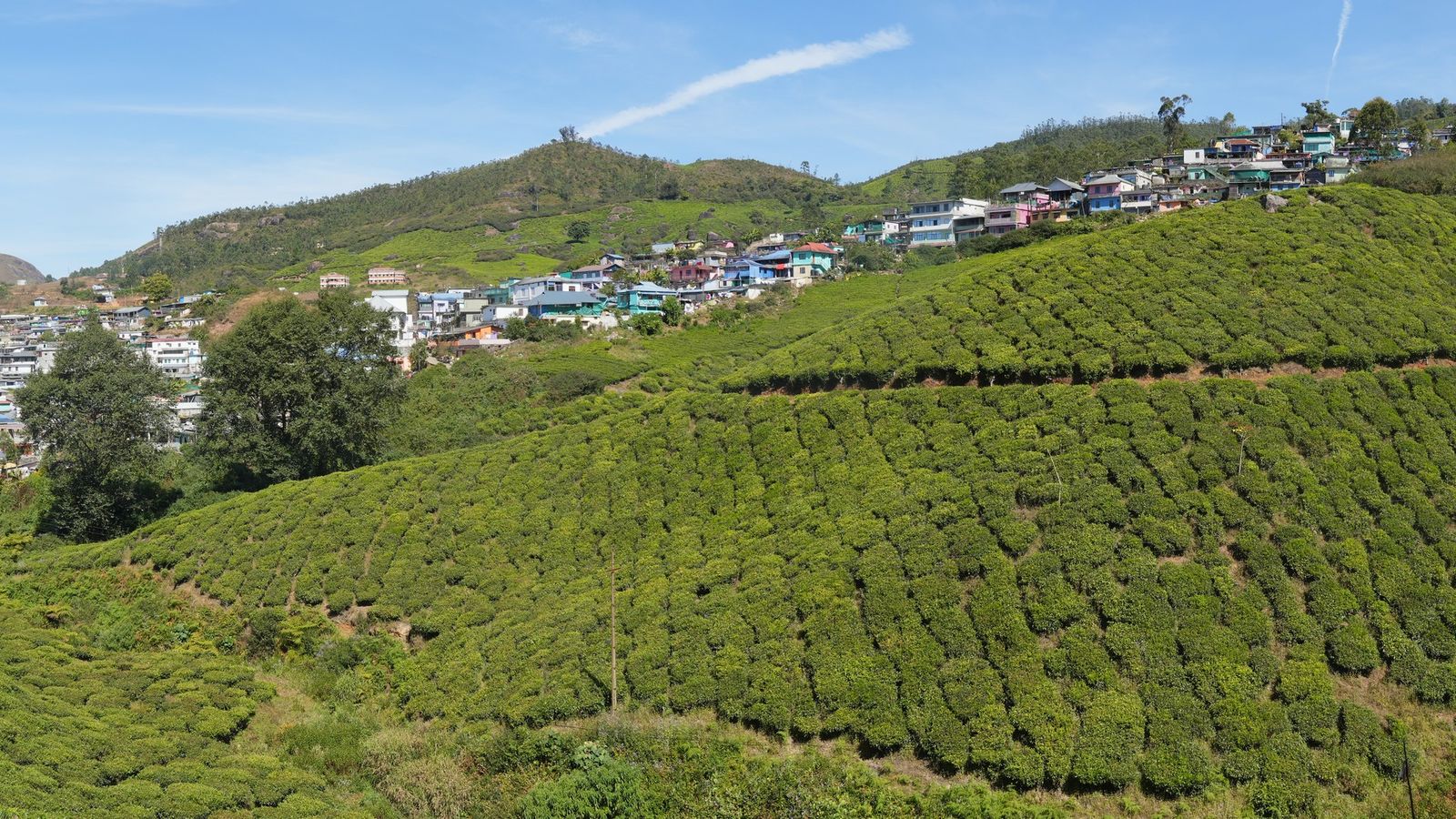
Photo: Ingo Mehling, CC BY-SA 4.0 (cropped), via Wikimedia Commons

Kerala is the narrow green strip between the Arabian Sea and the Western Ghats in India's south-west. In one trip you can sleep on a backwater houseboat, walk through tea estates in the hills and watch the sun set from a cliff above the sea. Trains run the length of the coast, and the hills are only a few hours inland.
Kerala is water first: sea, backwater, river and rain.
Where to go
- Kochi: the Chinese fishing nets of Fort Kochi, the spice warehouses and old synagogue of Mattancherry, and evening Kathakali performances.
- Alappuzha and Kumarakom: the backwaters, by houseboat or by small village canoe. Read an afternoon on the Kerala backwaters.
- Munnar: tea estates over rolling hills, and Eravikulam National Park, home of the Nilgiri tahr, a wild mountain goat.
- Thekkady: the Periyar Tiger Reserve, with boat rides on its lake, guided forest walks and spice gardens around Kumily.
- Wayanad: forest, coffee and pepper country in the north, with the carvings of Edakkal Caves and hill treks.
- Varkala: a beach under red laterite cliffs, with an old Vishnu temple above it.
- Kovalam: curved beaches and a lighthouse, close to Thiruvananthapuram.
- Thrissur and Guruvayur: temple towns of the centre, with the Vadakkunnathan temple at Thrissur's heart.
- Kannur and Bekal: Theyyam, a ritual in which performers become gods, in village shrines in the cooler months, and the seaside Bekal Fort further north.
For the coast-to-hills route, read Kerala from the coast to the hills; for the temples, Kerala's temples, lit by brass lamps.
Main cities
Thiruvananthapuram, in the far south, is the capital. Visitors go for the Sree Padmanabhaswamy temple (Hindus only, with a strict dress code), the Napier Museum and the beaches of Kovalam and Varkala close by.
- Kochi: the port city and main gateway, for Fort Kochi, Mattancherry and the shops of Ernakulam.
- Kozhikode: Malabar food, a long town beach and the old mosques of Kuttichira.
- Thrissur: temple festivals, above all Thrissur Pooram.
- Kannur: Theyyam season, St Angelo Fort and handloom weaving.
- Kollam: an old trading port on Ashtamudi Lake, for boat trips on the backwaters.
- Alappuzha: canals, houseboats and the Nehru Trophy Boat Race.
- Palakkad: a stone fort in the town, and the road to Silent Valley and the Nelliyampathy hills.
For all fourteen districts, read Kerala's fourteen districts.
Festivals
- Onam (August or September): the harvest festival, with flower carpets at doorsteps, a feast on banana leaves and boat races; in 2026 Thiruvonam, the main day, fell on 28 August.
- Nehru Trophy Boat Race (August): long snake boats race on Punnamada Lake at Alappuzha.
- Thrissur Pooram (April or May): decorated elephants, drum orchestras and the exchange of parasols in front of the Vadakkunnathan temple.
- Vishu (mid-April): the Malayalam new year, which begins with the vishukkani, a tray of auspicious things seen first on waking.
- Attukal Pongala (February or March): women cook a rice offering in pots along the streets of Thiruvananthapuram.
Temple festival dates follow the Malayalam calendar and can move by a day; check the Kerala Tourism festival calendar before you go.
Food to try
- Sadya: a vegetarian feast of many dishes on a banana leaf, at its fullest during Onam.
- Appam and stew: lacy rice pancakes with a mild coconut-milk stew.
- Puttu and kadala curry: steamed rice and coconut cylinders with black chickpea curry.
- Karimeen pollichathu: pearl-spot fish from the backwaters, spiced and cooked in a banana leaf.
- Malabar biryani: a fragrant short-grain rice biryani from Kozhikode and Thalassery.
- Pazham pori: ripe plantain fried in batter, with tea in the afternoon.
Stories from Kerala
- Kerala Backwaters: Houseboats, Ferries and Canoes at Alappuzha
- Kerala Itinerary: Coast, Backwaters and the Munnar Tea Hills
- Kerala Temples: Dress Code, Entry Rules and Famous Temples
- Kerala's 14 Districts: What to See in Each, South to North
- Kerala Hill Stations: Munnar, Vagamon, Wayanad, Nelliyampathy
- Cities in Kerala: Kochi, Thiruvananthapuram, Kozhikode to Visit
Plan your visit
| Best season | October to March is drier and cooler, good for beaches and backwaters. The south-west monsoon (June to September) brings heavy rain; the state is greener and quieter then. Hill areas such as Munnar are pleasant for most of the year. |
|---|---|
| How to reach | Airports: Thiruvananthapuram, Kochi (Cochin International, at Nedumbassery), Kozhikode (Calicut, at Karipur) and Kannur. Main railway stations: Thiruvananthapuram Central, Ernakulam Junction, Shoranur Junction, Kozhikode and Kannur, on the main line along the coast. |
| Getting around | Trains along the coast and KSRTC state buses everywhere. Use a car with driver for the hills. Public ferries run on the backwaters, and Kochi has a Metro and a Water Metro. |
| Where to stay | Fort Kochi or Ernakulam; Alappuzha, Kumarakom or a houseboat for the backwaters; Munnar town or nearby estates; Kumily for Thekkady; the cliff at Varkala or Kovalam; Kalpetta or Vythiri in Wayanad. |
| How long to spend | Eight to ten days for Kochi, Munnar, Thekkady, the backwaters and a beach. Add three or four days for Wayanad and the north. |
Questions people ask
When is the best time to visit Kerala?
October to March, when it is drier and cooler. The monsoon months, June to September, are wet but green and quieter.
Is it safe to visit Kerala in the monsoon?
Most of the state stays open, but very heavy rain can cause floods and landslides, especially in hill districts such as Wayanad and Idukki. Check state weather alerts before driving into the hills and keep away from river banks and waterfalls after heavy rain.
How many days do I need in Kerala?
Eight to ten days covers Kochi, Munnar, Thekkady, a night on the backwaters and a beach. A short trip of four or five days can manage Kochi, Munnar and Alappuzha.
How do I get to Munnar?
Munnar has no airport or railway. The nearest airport is Kochi, roughly four hours away by road; Aluva and Ernakulam are the nearest main railway stations.
Can non-Hindus enter Kerala's temples?
Many major temples, including Sree Padmanabhaswamy in Thiruvananthapuram and Guruvayur, admit Hindus only, and men may be asked to enter bare-chested in a mundu. Check the rules at the gate.
Written by Muthu, editor of Aura of India. Sources: Kerala Tourism (Department of Tourism, Government of Kerala), Kerala Tourism: festival calendar. Last verified: 13 October 2026.
Your turn: Backwaters or hills: where in Kerala did you slow down the most?
Comments
Post a Comment
Comments are always welcome, that will help us to motivate ourselves and improve our services. Thanks!!