Bhai Dooj 2026: Tilak, Family Meal and Traveller Notes
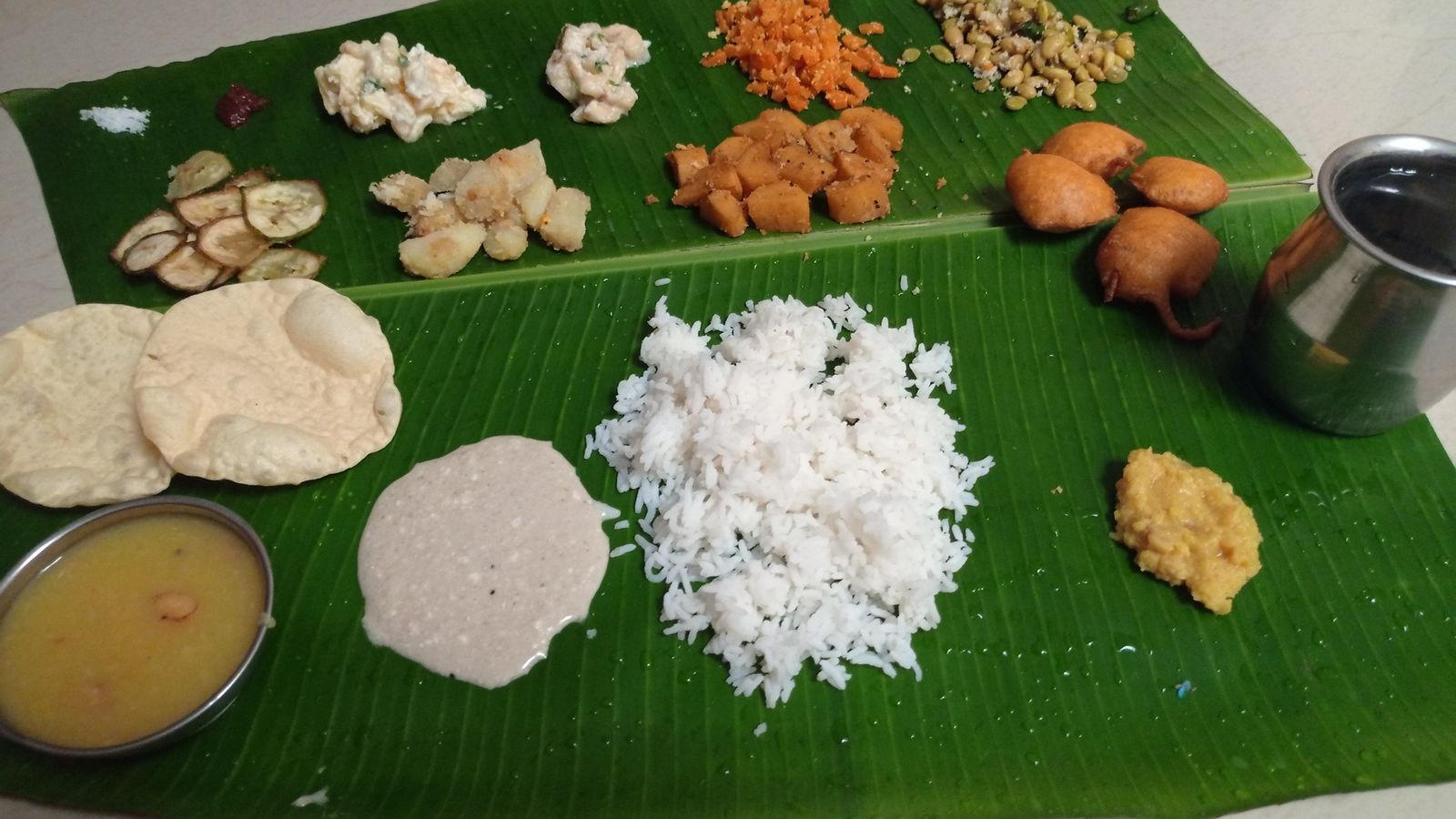
Photo: Swathi sri srinivasa raghavan, CC0 (cropped), via Wikimedia Commons

A family dining room somewhere in north India, two days after Diwali lamps have gone cold.
The festival is not a street show. It is a table, a tilak and a meal shared between siblings.
What the morning looks like
Bhai Dooj, also called Bhai Duj, Bhau Beej or Bhai Phonta in different regions, falls on Kartik Shukla Dwitiya, the second bright day after Diwali. In 2026 many calendars mark Wednesday 11 November; the Dwitiya tithi begins on the afternoon of 10 November, so some families and some states treat 10 or 11 November as the day. Regional calendars can shift the date by a day. The room is ordinary: a low table or floor mat, a steel thali, a small plate of roli, rice and sweets. Sisters prepare the tray; brothers arrive, or sisters travel to the parental house. There is no temple queue to join unless the family chooses one.
Tilak, aarti and the plate
The sister performs a short aarti with a lamp, then applies a tilak — a mark of vermilion or sandal paste — on her brother’s forehead, and offers sweets. He gives a gift or money in return and shares the meal. In Maharashtra the day is Bhau Beej; in Bengal, Bhai Phonta, where the sister may fast until the rite is done. Incredible India notes a Bihar custom of Yama Dwitiya with its own local gestures. Travellers invited into a home will see the ceremony as quiet and domestic: no fireworks, no pandal. The food is festival food left over from Diwali week — sweets, puris, sabzis — eaten without hurry.
Why the day matters
One story links the day to Yama visiting his sister Yamuna and receiving a tilak that promised protection. Another tells of Krishna visiting Subhadra after the defeat of Narakasura. The meaning people live by is simpler: siblings meet after Diwali’s public nights and renew care in private. Offices may stay open; it is often a restricted or optional holiday. The day closes the five-day Deepavali stretch for many Hindu households. For a guest, the honour is the invitation itself, not a spectacle on a ghat.
If you are invited
Arrive when asked, usually late morning or early afternoon when the preferred tilak window falls. Dress simply and modestly. Do not photograph faces or the tilak without clear permission. Bring a small box of sweets if that is the local custom, and follow the host’s lead on sitting, eating and leaving. Public celebrations are rare; markets stay open. If no invitation comes, treat the day as a quiet post-Diwali Monday or Wednesday in the city — temples and streets feel calmer than on Diwali night. Confirm the local date with the host; do not assume every state keeps the same civil calendar day.
Names across India
Incredible India records the day as Bhai Dooj and notes regional forms: Bhau Beej in Maharashtra, Bhai Phonta in West Bengal, and Yama Dwitiya customs in Bihar. The shared core is the sister’s tilak and aarti, a meal, and a gift from the brother. Public processions are uncommon; the festival lives in houses.
Because the Dwitiya tithi can straddle two civil dates, families follow a local panchang. Travellers should ask the host which morning or afternoon they keep, not which website they read.
After Diwali’s public nights
Diwali’s lamps and crackers belong to streets and terraces. Bhai Dooj returns the week to kinship. Offices may remain open; many workplaces list it as a restricted holiday. Markets sell sweets and gifts but do not close the way they do for the main Deepavali night.
If nobody invites you, use the day for ordinary city walking while families are indoors. Do not expect a ticketed cultural show labelled Bhai Dooj.
Traveller notes
- Dates in 2026: often 11 November; some regions and households use 10 November — check the family’s panchang.
- Gift: money, clothes or sweets are common; ask a local friend what fits.
- Food: expect a full vegetarian meal; refuse politely if you cannot eat something.
- Names: Bhai Dooj, Bhai Duj, Bhau Beej, Bhai Phonta, Yama Dwitiya — same sibling day, different tongues.
- Public life: shops open; do not expect a street festival or ticketed event.
When the tilak dries and the plates are cleared, Diwali’s week ends not with noise but with a quiet table.
Plan your visit
| 2026 dates | Often Wednesday 11 November 2026 (Incredible India; Drik Panchang for New Delhi). The Dwitiya tithi begins on the afternoon of 10 November, so some households and some state holiday lists use 10 November. Regional calendars can shift by a day — confirm with the family. |
|---|---|
| Where to see it | Private homes across India. Not a ghat or pandal festival. |
| What to wear and bring | Modest everyday clothes; a small box of sweets if invited and that is the custom. |
| If invited | Come at the time given; follow the host on photography, seating and the meal. |
| Public holiday status | Often restricted/optional rather than a nationwide shutdown — shops usually open. |
Questions people ask
When is Bhai Dooj in 2026?
Many national listings give Wednesday 11 November 2026. Because the tithi begins on 10 November, some families and some states observe on 10 or 11 November. Check the local calendar; regional dates can shift by a day.
Is Bhai Dooj the same as Raksha Bandhan?
Both honour the sibling bond. Raksha Bandhan centres on a thread tied in the monsoon month of Shravana; Bhai Dooj centres on tilak and a meal in the days after Diwali.
Can travellers take part?
Only by invitation into a home. There is no public ticket or official viewing gallery. If invited, follow the family’s lead and ask before photographing anyone.
What food is typical?
A vegetarian family meal with festival sweets. Exact dishes follow the household and region, not a single national menu.
Read next
Written by Muthu, editor of Aura of India. Sources: Incredible India: Bhai Dooj (11 November 2026), Drik Panchang: Bhai Dooj 2026 (New Delhi tithi and tilak time), timeanddate: Bhai Duj 2026 in India. Last verified: 22 October 2026.
Your turn: If you have sat at a Bhai Dooj table, which regional name did the family use for the day?
Comments
Post a Comment
Comments are always welcome, that will help us to motivate ourselves and improve our services. Thanks!!